Built and run by operational firefighters.

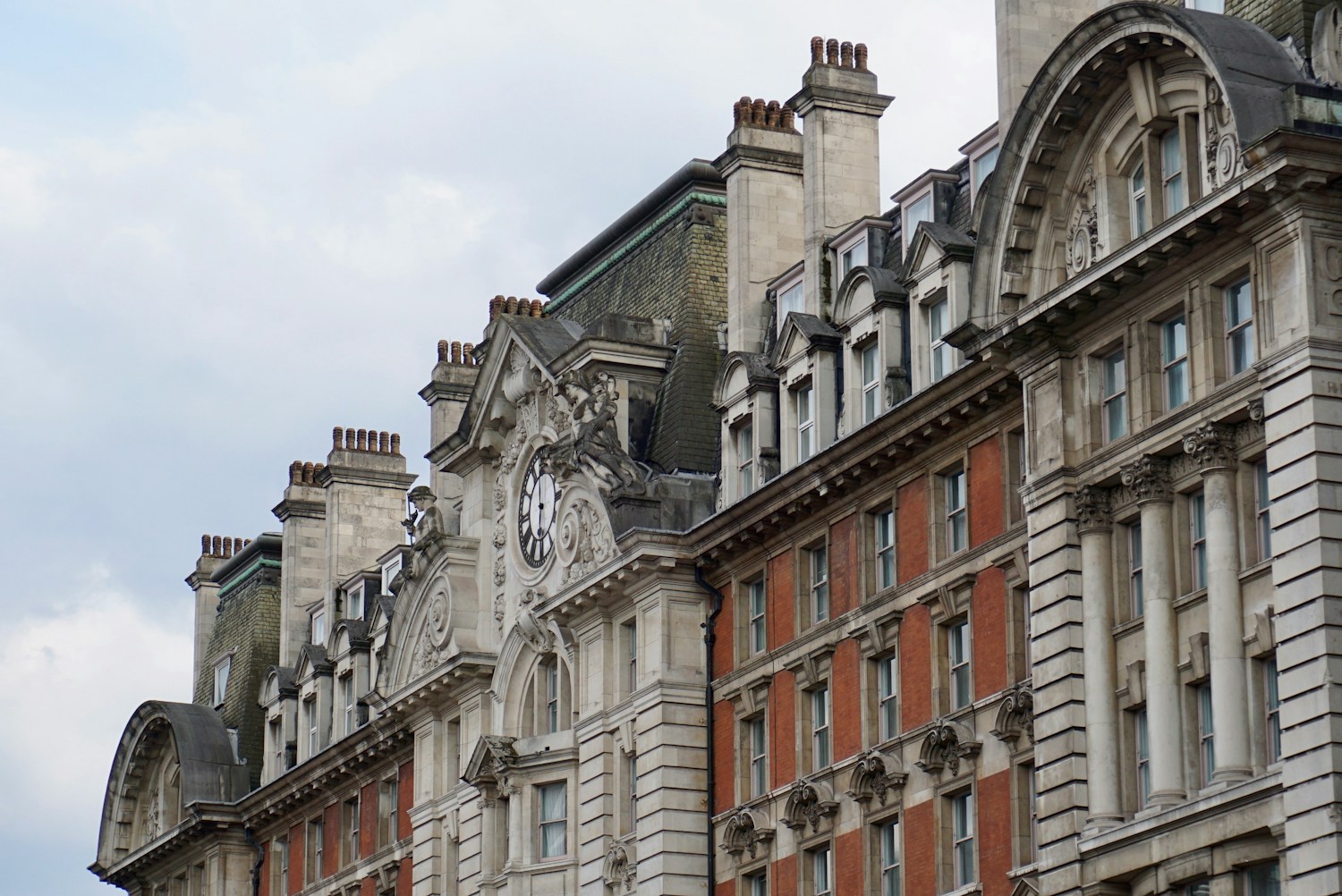
Modern commercial building facade
Expert Fire Safety Guidance

Heritage Buildings Guidance

Comprehensive fire safety resources and statutory guidance for property managers, landlords, and responsible persons fir fire safety in listed and heritage buildings.

Heritage Building Guidance

Comprehensive insights into the requirements and available guidance for fire safety in heritage buildings

Listed Buildings - Grade I

Fire Safety in Grade I Listed Buildings
Managing fire safety in a Grade I listed building is the ultimate balancing act. These buildings are of "exceptional national interest" (making up just 2.5% of all listed buildings in the country), encompassing medieval castles, stately homes, and highly significant civic buildings. The core challenge is a direct clash of laws. Under the Fire Safety Order, you must protect the people inside. But under Heritage law, it is a criminal offence to alter the historic fabric of the building without consent. You cannot simply rip down a 400-year-old ornate plaster ceiling to wire in a smoke detector, nor can you throw away a hand-carved Tudor oak door just because it doesn’t have a modern "FD30" fire certification. Because standard fire safety solutions will ruin the building, you have to rely on highly bespoke, "heritage-led" fire engineering.

Here is the practical breakdown of how you protect people and history at the same time.


1. The Golden Rule: Listed Building Consent (LBC)
In a modern building, if your risk assessor says "put a fire door here," you just hire a carpenter and do it. In a Grade I building, you can't touch anything without permission.

The Legal Hurdle : Any alteration that affects the character of the building as a building of special architectural or historic interest requires Listed Building Consent (LBC) from your local conservation officer (and often Historic England).

Reversibility: The guiding principle for heritage fire safety is "reversibility." If you install a fire safety system today, could a future generation remove it completely without leaving a scar on the 16th-century stonework? If the answer is no, it will be incredibly hard to get LBC.

Life Safety vs. Heritage: It is a myth that heritage status overrides life safety. You must protect life. If a building cannot be made safe for 500 visitors without destroying its historic fabric, the solution isn't to ignore fire safety, the solution is to drastically reduce the number of visitors allowed inside.

2. Alarm Systems: Invisible Detection
Running thick, red fire alarm cables across historic oak panelling is an absolute non-starter. You need early warning, but the technology must be practically invisible.

Radio-Linked (Wireless) Alarms: Instead of hardwiring, heritage buildings rely heavily on commercial-grade wireless fire alarm systems. The detectors run on high-capacity batteries and communicate via radio waves. This completely removes the need to drill through historic walls or lift antique floorboards to run cables.

Aspirating Smoke Detection (ASD): In rooms with incredibly ornate, irreplaceable ceilings (where even screwing in a wireless detector is forbidden), ASD is used. Tiny, almost invisible capillary tubes are hidden behind cornices or above the ceiling. These tubes constantly suck air samples back to a hidden laser chamber. It provides the earliest possible warning without ruining the aesthetics of the room.

3. The Fire Door Dilemma
You cannot swap a centuries-old door for a modern, heavy, off-the-shelf fire door. But a thin, warped historic door will not hold back a fire.

Upgrading, Not Replacing: The strategy is to upgrade the existing door. Specialist heritage carpenters can carefully split a historic door in half, insert a hidden layer of fire-resisting material (like intumescent paper or board), and bond it back together.

Intumescent Paints and Varnishes: For historic panelling and doors, you can apply specialized clear intumescent varnishes. In a fire, this clear coat aggressively expands into a thick, insulating char, protecting the historic wood underneath and holding the fire back.

Hidden Seals: Instead of routing thick intumescent strips into a delicate antique door frame, heritage specialists often route the seals directly into the door itself, or use surface-mounted, colour-matched seals that are less destructive.

4. Suppression: Saving the Building
In a standard commercial building, the goal is just to get the people out; if the building burns to the ground, insurance pays for it. A Grade I building is irreplaceable. Therefore, the goal is to extinguish the fire before it destroys the structure.

Water Mist over Sprinklers: Traditional sprinklers dump massive amounts of water, which will utterly destroy antique tapestries, historic plaster, and ancient floorboards. Grade I buildings increasingly use High-Pressure Water Mist systems. These use 80% less water than sprinklers, creating a dense fog that chokes the fire rapidly while causing a fraction of the water damage.

Targeted Protection: If you cannot get consent to pipe misting systems through the whole house, you might target the highest risks—for example, putting a suppression system exclusively inside the commercial kitchen or the modern boiler room, effectively locking the risk inside a concrete box before it can reach the historic areas.

5. Disaster Recovery: The Salvage Plan
If the worst happens and a fire breaks out, the fire brigade’s first priority is life. Their second priority is usually putting out the fire. In a Grade I building, you must guide their third priority: saving history.

The "Snatch List" (Salvage Plan): You must create a formal salvage plan that sits in a Secure Information Box at the front gate. This plan tells the fire brigade exactly which items are the most historically valuable and where they are.

Triage Tagging: It includes a priority list (e.g., "Priority 1: The 17th-century portrait in the main hall. Priority 2: The antique silver in the dining room"). This ensures firefighters don't risk their lives dragging a modern £200 IKEA sofa out of a burning room while leaving a priceless Tudor tapestry to burn.


The Essential Rulebooks
If you own or manage a Grade I listed building, standard commercial guidance will often suggest alterations that are completely illegal under heritage law. Your compliance is guided by these specialized documents:

Historic England - Fire Safety in Historic Buildings: This is the absolute bible for managing the conflict between the Fire Safety Order and heritage protection in England. It dictates how to achieve life safety with minimal intervention.

BS 7913 (Guide to the conservation of historic buildings): This British Standard outlines the best-practice framework for managing, maintaining, and upgrading historic buildings without destroying their significance.


Listed Buildings - Grade II*

Fire Safety in Grade II* Listed Buildings
Grade II* (Grade Two Star) listed buildings are classed as "particularly important buildings of more than special interest." Making up just under 6% of all listed buildings, this category includes grand Georgian townhouses, impressive Victorian industrial mills, and significant manor houses. While they sit just below the extreme rarity of Grade I, the legal protections are virtually identical. You cannot alter the historic fabric without Listed Building Consent (LBC). However, unlike Grade I castles or cathedrals which are often museums, Grade II* buildings are heavily utilized in the commercial world, frequently converted into boutique hotels, high-end office spaces, or luxury wedding venues. This means landlords and developers face a massive challenge: how do you bring a 300-year-old manor house up to modern, heavy-duty commercial fire safety standards without the local conservation officer blocking your project? The answer lies in "compensatory measures."

Here is the practical breakdown of how to protect a Grade II* building and the people inside it.


1. The Fire Engineering Approach (Compensatory Measures)
If you are converting a Grade II* building into a hotel or office, standard government fire safety guidelines will often demand physical changes you simply aren't legally allowed to make (like ripping out a grand open staircase to build a modern, enclosed fire escape tunnel).

The Trade-Off: Because you cannot alter the architecture, you must use "compensatory measures." This means if you are weak in one area (e.g., you can't enclose a historic staircase), you must over-compensate in another area to satisfy the fire brigade and the conservation officer.

Examples: To compensate for a historic open staircase, a Fire Engineer might specify the installation of an ultra-sensitive Aspirating Smoke Detection (ASD) system, combined with a high-pressure water misting system to protect the escape route, allowing the historic architecture to remain completely untouched.

2. Upgrading Compartmentation (Floors and Ceilings)
In a modern flat conversion, you use heavy plasterboard to ensure a fire on the ground floor doesn't burn through to the first floor. In a Grade II* townhouse, you are dealing with historic lath-and-plaster ceilings and antique oak floorboards that you cannot destroy.

Lifting the Floors: If the ceiling below is highly ornate plasterwork that cannot be touched, heritage contractors will carefully lift the historic floorboards from the room above. They will then install fire-resisting barriers and acoustic insulation between the wooden joists, before relaying the original floorboards exactly as they were.

Intumescent Upgrades: If the floorboards cannot be lifted, specialist intumescent membranes or clear fire-retardant coatings can sometimes be applied, though this must be meticulously negotiated with the conservation officer to ensure the building's breathability is not ruined.

3. Sympathetic Detection Systems
A high-end wedding venue or luxury office inside a Grade II* building requires a complex commercial fire alarm system, but standard white plastic detectors ruin the historic aesthetic.

Wireless Technology: Just like Grade I, wireless fire alarm systems are essential to avoid chasing miles of cables into historic masonry or carving up antique skirting boards.

Custom Aesthetics: Many high-end fire alarm manufacturers now provide detectors with bespoke finishes. With the right approvals, detectors can be wrapped in custom wood-grain finishes to blend into oak panelling, or colour-matched to blend seamlessly into a painted Victorian ceiling.

4. The Fire Door Compromise
Grade II* buildings are full of historic, panelled doors. They rarely offer the required 30 minutes of fire resistance (FD30), but throwing them in a skip is a criminal offence under heritage law.

The Heritage Upgrade: Specialist joiners will retain the original door but upgrade its performance. This involves carefully routing ultra-thin intumescent strips into the edges of the door or frame.

Panel Protection: If the wooden panels are too thin to hold back a fire, they can be painted with specialist clear intumescent varnishes, or backed with discreet fire-resisting board painted to match the original woodwork.

Hold-Open Devices: If the building is used commercially (like a pub or hotel), you will need to keep these heavy doors open for customers. Standard floor-mounted door magnets require drilling into historic floors. Instead, wireless acoustic door retainers (which listen for the fire alarm) can be fitted directly to the door, minimizing damage to the surrounding historic fabric.

5. Managing the Change of Use
The biggest fire safety friction in Grade II* buildings happens when the "use" changes. A building originally designed as a private family home for ten people acts very differently when it is packed with 150 wedding guests who have been drinking.

Capacity Limits: Sometimes, the only way to make a Grade II* building legally safe without destroying its heritage is to strictly cap the number of people allowed inside. Your Fire Risk Assessment must mathematically prove that the existing, historic exits can safely evacuate the maximum crowd size.

Sterile Environments: Because you often cannot upgrade the walls and doors along the historic escape routes, you must enforce a radically strict "sterile route" policy. Absolutely no combustible materials, upholstered furniture, or electrical equipment can be placed in the historic hallways or stairwells.


The Essential Rulebooks
If you operate a business or manage flats inside a Grade II* listed building, you are walking a tightrope between two sets of laws. Your core guides are:

Historic England - Fire Safety in Historic Buildings: The definitive framework for upgrading fire safety without breaking heritage laws.

The specific HM Government Fire Safety Risk Assessment Guide for your business type: (e.g., Sleeping Accommodation if it's a hotel, or Small and Medium Places of Assembly if it's a wedding venue or pub). You must read this in conjunction with the Historic England guidance to find the legal middle ground.


Listed Buildings - Grade II

Fire Safety in Grade II Listed Buildings
Grade II listed buildings make up over 90% of all historic listed buildings in the country. Unlike the grand castles of Grade I, Grade II buildings are the historic fabric of our everyday lives, they are Georgian townhouses converted into flats, Victorian high-street pubs, thatched cottages rented as holiday lets, and historic farmhouses. Because they are so frequently used as everyday homes and businesses, they trigger standard, heavy-duty fire safety regulations. However, you are still bound by strict heritage laws. While conservation officers are generally slightly more pragmatic with Grade II than they are with Grade I, you still cannot rip out historic features or alter the character of the building without Listed Building Consent (LBC).

Here is the practical breakdown of how landlords and business owners can make Grade II buildings safe and legally compliant.


1. The Consent Trap: Don't Just Start Drilling
The biggest mistake landlords make with Grade II buildings is assuming they can just hire a standard electrician or carpenter to install modern fire safety equipment.

Listed Building Consent (LBC): Even if a Fire Risk Assessor tells you to install an alarm system or a fire door, you must check with your local council’s conservation officer first. Altering historic plasterwork, carving into antique doors, or running plastic conduit across exposed timber beams can lead to an enforcement notice forcing you to undo the work at your own expense.

The "Whole Building" Rule: Remember that a Grade II listing usually covers the entire building, inside and out. You cannot assume that just because the back staircase looks "modern" or boring, you can alter it without permission.

2. Upgrading Lath and Plaster (Compartmentation)
If you are converting a Grade II building into flats or an HMO, you must ensure a fire on the ground floor cannot burn through the ceiling to the floor above.

The Weak Point: Historic buildings rely on "lath and plaster" ceilings (thin strips of wood covered in lime plaster). While surprisingly good at holding back fire when in perfect condition, they often have hidden cracks or gaps where historic pipework was installed.

Sympathetic Upgrades: If the ceiling above is historic and cannot be covered with modern pink fire-board, you often have to lift the floorboards from the room above to install fire-resisting quilt or intumescent barriers between the wooden joists, before carefully replacing the original floorboards.

Intumescent Paint: In some commercial spaces, exposed historic timber ceilings can be painted with a clear intumescent coating that preserves the look of the wood while providing a fire-resistance rating.

3. Fire Doors: Upgrading Instead of Replacing
Standard modern fire doors are thick, heavy, and often look entirely out of place in a historic cottage or Georgian hallway.

Retaining Original Doors: If the existing panelled doors are historic, conservation officers will rarely let you throw them away. Instead, a specialist joiner can upgrade them.

Hidden Seals: Rather than cutting thick intumescent strips into a fragile antique door, contractors will often route the cold-smoke seals discreetly into the door frame itself.

Panel Upgrades: If the wooden panels of the door are too thin to provide 30 minutes of fire resistance, they can be backed with a discreet, fire-rated board or coated with specialized clear intumescent varnishes.

4. Sympathetic Alarms and Detection
Early warning is critical, but modern wired systems require chasing cables into walls, which destroys historic plaster and panelling.

Wireless Systems: For Grade II HMOs, hotels, and offices, commercial wireless (radio-linked) fire alarm systems are the industry standard. They require zero cabling. The detectors run on specialized long-life batteries, meaning they can be fixed to ceilings with minimal disruption to the historic fabric.

Aesthetic Choices: You don't have to settle for ugly white plastic. Many manufacturers now offer detectors that can be colour-matched to the ceiling, making them visually unobtrusive in historic rooms.

5. Compensatory Measures (When You Can't Change the Building)
Sometimes, the building’s architecture simply cannot meet modern fire safety dimensions. For example, a historic winding staircase might be too narrow, or a corridor might be too long.

Engineering a Solution: If you cannot physically widen a stairwell or build a new brick fire wall, you must introduce "compensatory measures" to balance the risk.

Suppression over Alteration: If a conservation officer refuses to let you enclose a beautiful, open historic staircase with fire doors, a Fire Engineer might suggest installing a localized water mist suppression system on the ground floor instead. The mist system suppresses the fire before it can reach the stairs, allowing the staircase to remain open and visually historic while still satisfying the fire brigade's life-safety requirements.


The Essential Rulebooks
If you own, let, or manage a Grade II listed property, you are dealing with two competing sets of rules. Your compliance relies on navigating both simultaneously:

Historic England - Fire Safety in Historic Buildings: This is the practical guide to achieving fire safety without committing a heritage crime. It gives specific advice on how to upgrade historic doors and floors.

The Relevant HM Government Guidance: You must cross-reference the Historic England guide with the specific guidance for how you use the building (e.g., the LACoRS guide if it’s an HMO, or the Offices and Shops guide if it’s a commercial premises).


Secure Your Property with Hestia

Don't leave fire safety to chance. Our accredited consultants provide comprehensive risk assessments and strategic guidance tailored to your building's specific needs.